Everyday Life In Laguna Beach Beyond The Vacation
July 23, 2026
July 23, 2026
Wondering what Laguna Beach feels like when you are not on vacation? That is a smart question, especially if you are thinking about moving to a place that many people only know as a weekend escape. The good news is that everyday life here has a real rhythm shaped by local routines, small-city logistics, outdoor access, and a strong creative culture. If you want a clearer picture of what it is like to actually live in Laguna Beach, this guide will walk you through it. Let’s dive in.
Laguna Beach may be world-famous, but daily life happens in a relatively compact setting. The city spans 8.84 square miles, has about 23,000 residents, and welcomes roughly six million visitors each year. That mix creates a lifestyle that feels both close-knit and dynamic.
You are not moving into a huge spread-out city. You are living in a small coastal community where beaches, downtown streets, neighborhoods, and trail access all sit close together. That scale is a big part of the appeal, but it also shapes how you plan your day.
One of the most important realities of living in Laguna Beach is that you share the city with a large visitor population. That can add energy, support local dining and arts, and keep the community lively year-round. It can also affect parking, traffic flow, and how busy certain areas feel, especially during popular seasons and events.
The city has noted that parking supply is limited and that visitor demand can put pressure on residential neighborhoods. If you live here, you learn quickly that timing matters. A beach errand, a dinner reservation, or a downtown stop may feel very different on a quiet weekday morning than on a summer weekend.
Laguna Beach has only three main exit routes: north or south on Coast Highway, or Laguna Canyon Road. That is one of the clearest examples of how the city’s geography influences everyday life. It is beautiful, but it is also physically constrained.
For many residents, this means you plan around traffic patterns and seasonal demand. The Census Bureau reports a mean travel time to work of 29.0 minutes, which helps show that even in a smaller city, mobility is a practical part of the lifestyle conversation.
The city operates Laguna Local, a free on-demand shared-ride service between neighborhoods and activity centers. During summer, the trolley network also runs coastal and canyon routes, including service from Lot 16 and Act V to downtown and summer art festivals.
For residents, that can make local outings easier without always relying on your car. It is especially helpful when you want to enjoy downtown, beach areas, or arts events without dealing with parking in the busiest locations.
Laguna Beach is very walkable in key areas, but parking still plays a big role in daily planning. The city notes three-hour metered parking in some areas and limited neighborhood parking. In practical terms, you may find yourself thinking ahead before meeting friends, heading to the beach, or running errands near downtown.
That does not mean life here is inconvenient. It means successful daily living often comes down to knowing the patterns, using local services, and choosing the right times to go.
Downtown is more than a visitor destination. The city describes it as the focus of Laguna Beach’s social, cultural, civic, artistic, and recreational activities. If you live nearby or spend time there often, it can become part of your normal weekly routine.
You might head downtown for a casual meal, a gallery stop, a community event, or simply a walk near Main Beach. Because the city is compact, downtown functions as a shared center of activity in a way that feels more personal than in many larger coastal markets.
In Laguna Beach, the arts are not just a seasonal attraction. They are woven into the identity of the city. The local arts directory includes the Festival of Arts, Sawdust Art Festival, Laguna Art Museum, Laguna Playhouse, Laguna College of Art & Design, Laguna Beach Live, Laguna Dance Festival, and First Thursdays Art Walk.
That means your social calendar can naturally include creative events throughout the year. First Thursdays Art Walk, for example, is a monthly evening event featuring more than 40 galleries. For many residents, that kind of regular access helps make Laguna Beach feel culturally rich in a very everyday way.
A lot of small beach towns have a handful of dependable spots. Laguna Beach offers much more range than that. According to Visit Laguna Beach, there are more than 100 restaurants along the coastline, with most independently owned.
You are not limited to one type of dining experience either. The mix includes cafes, bistros, ocean-view restaurants, and fine-dining options, with choices spread through downtown, North Laguna, South Laguna, and the canyon. For full-time residents, that variety can make daily life feel both convenient and interesting.
One of the clearest differences between vacationing in Laguna Beach and living there is how outdoor space becomes part of ordinary life. Instead of trying to fit everything into one weekend, you can build beach walks, trail time, and ocean views into your regular schedule.
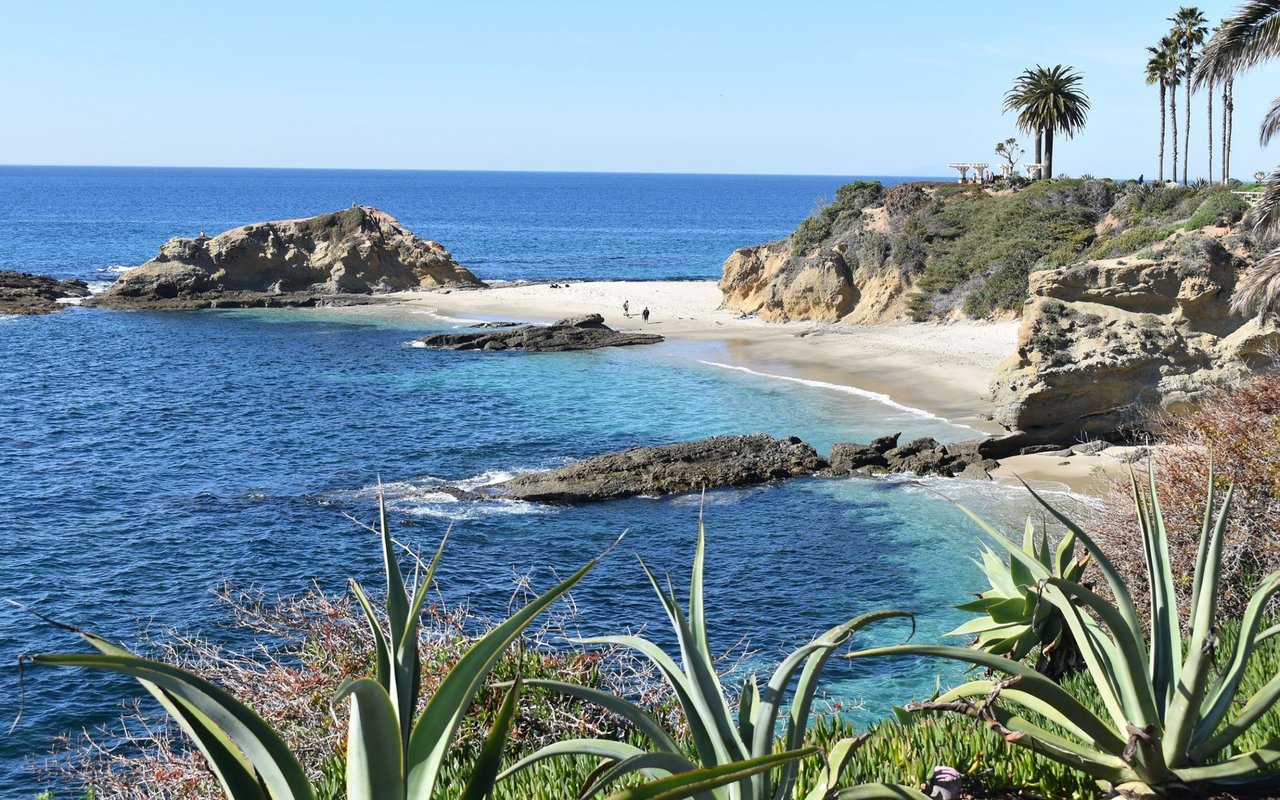
The city highlights Main Beach, Treasure Island Beach, Crescent Bay Beach, and Aliso Creek Beach as spots with public restrooms and outdoor showers. Main Beach is the largest and most popular, with a boardwalk, courts, and easy walking access to downtown restaurants and shops.
When you live in Laguna Beach, the shoreline can become part of your weekly rhythm. You may start the day with a walk, stop by the water after work, or meet friends near the sand without feeling like it needs to be a major event.
That shift matters. The beach stops being something you plan months in advance and becomes something you can enjoy in smaller, more frequent ways.
Laguna Beach also has miles of hiking and biking trails with ocean, downtown, hillside, and canyon views. Many trailheads sit in neighborhoods or local parks, and many routes connect to OC Parks’ Aliso and Wood Canyons.
That kind of access broadens the lifestyle beyond the shoreline. If you enjoy mixing walkable in-town living with nearby open space, Laguna Beach offers both in a compact footprint.
Tide pools are also part of local beach culture, with the city pointing to Main Beach, Shaws Cove, and Treasure Island as popular spots. Just north of the city, Crystal Cove State Park adds 3.2 miles of beach, about 2,400 acres of backcountry wilderness, and a historic district with 46 rustic coastal cottages.
Together, those features reinforce something important about everyday life here. You are living beside a coastline that is not only scenic, but also deeply tied to public access and protected open space.
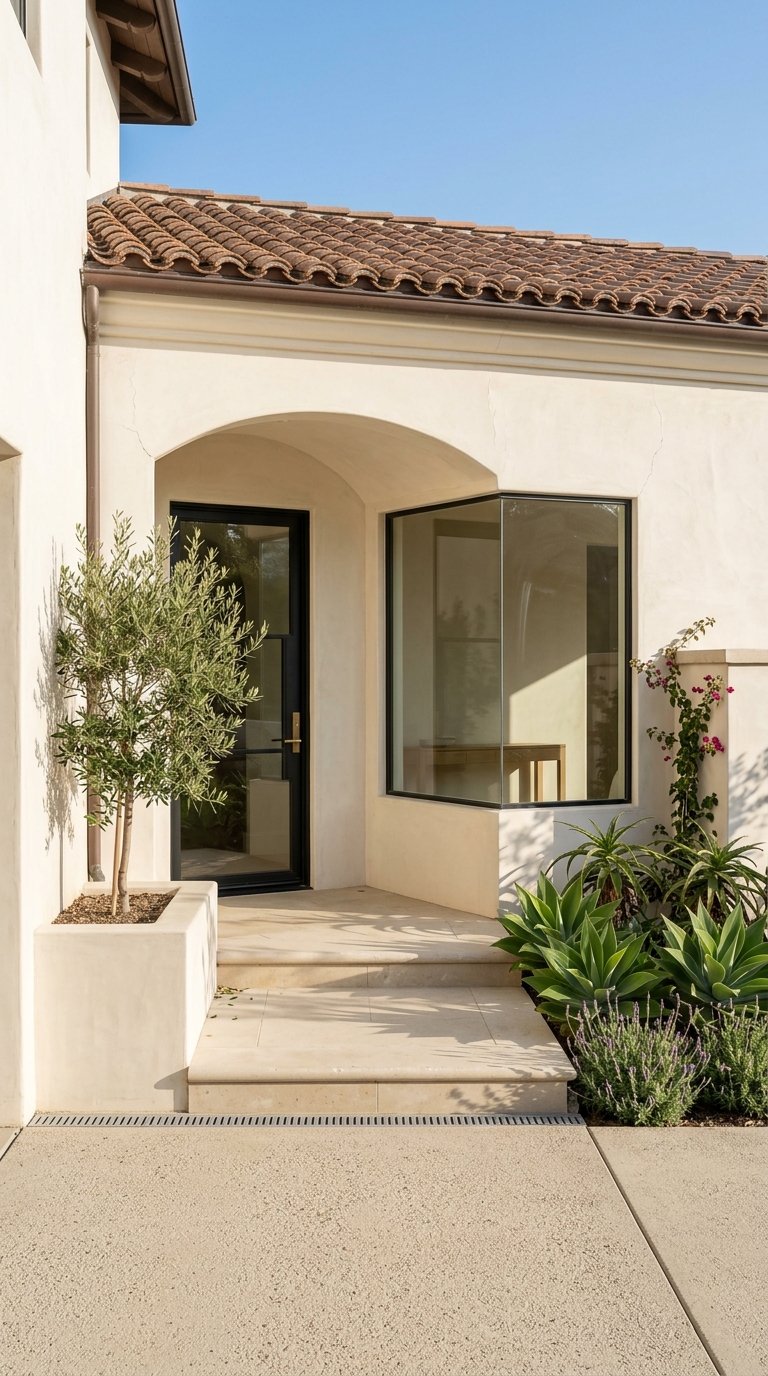
Lifestyle in Laguna Beach is also shaped by its housing stock. The city’s design guidelines note that almost every house built before 1927 was vernacular cottage construction, while the 1920s brought more individualized architecture influenced by styles popular elsewhere.
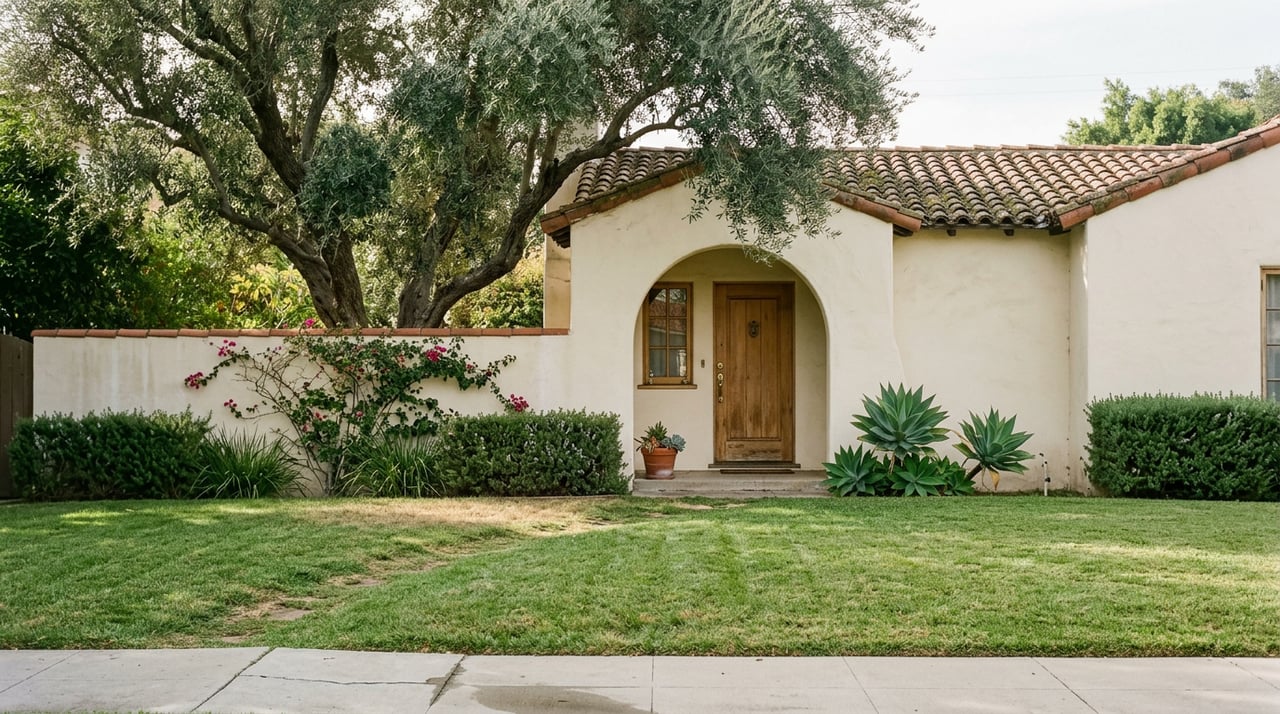
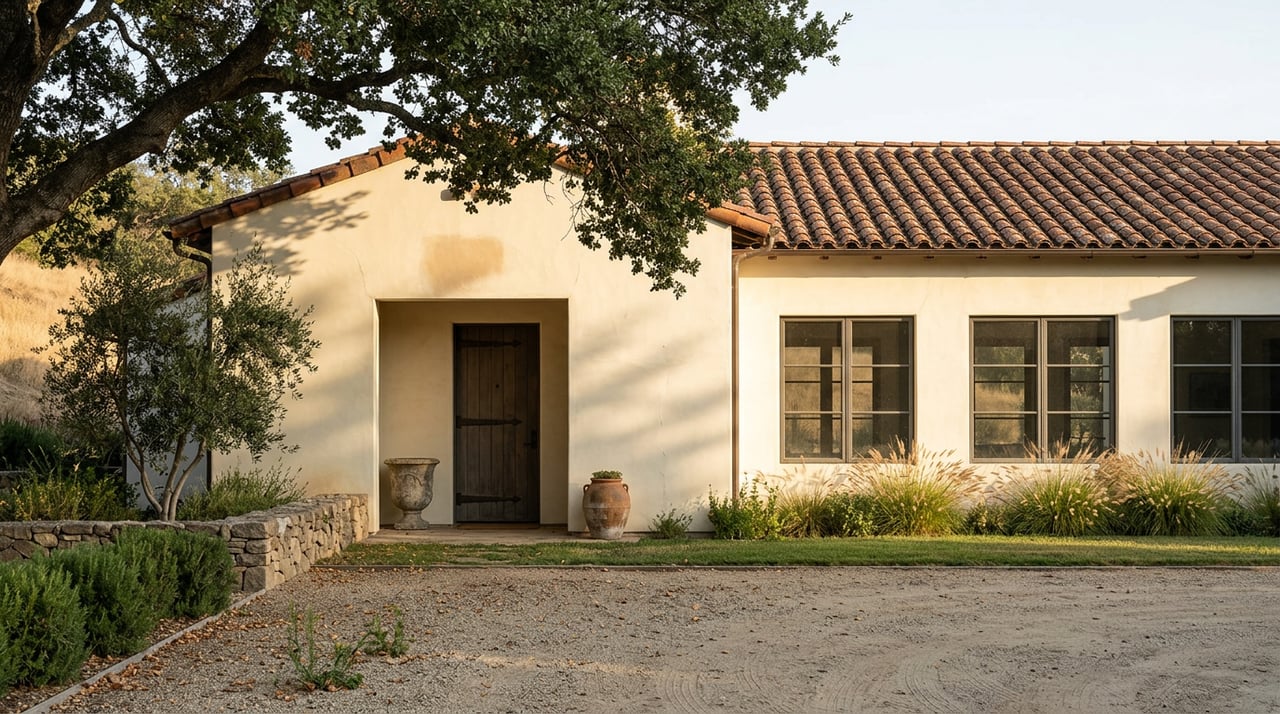
The Historic Register includes examples described as bungalow, cottage, Craftsman-Eclectic, Tudor Revival, and Spanish Colonial or Mediterranean Revival. In simple terms, the city does not feel architecturally uniform. That variety can be a major draw if you value homes with distinct design and neighborhood personality.
Some parts of Laguna Beach reflect older cottage patterns and village scale. Hillside areas such as Mystic Hills include a mix that began with street-level tract homes on padded lots and later saw larger custom modern-style rebuilds after the 1993 firestorm.
This variety means your housing search often involves more than square footage and price. It can also involve topography, parking setup, walking access, architectural style, and how a home fits into the surrounding streetscape.
The numbers also suggest that Laguna Beach is not simply a transient destination. Census estimates show 66.1% owner-occupancy, a median owner-occupied home value above $2,000,000, median gross rent of $2,986, and 86.0% of residents living in the same house one year earlier.
Those figures point to a market where many residents stay put and treat Laguna Beach as a long-term home base. The city also has an older age profile than many California communities, with 30.1% of residents age 65 and over and 15.2% under 18. For buyers and sellers, that can influence the types of homes in demand and the reasons people move within the area.
The best way to think about Laguna Beach is this: it is a real coastal city with a strong sense of place, not just a pretty backdrop. Daily life here blends beauty with logistics, creativity with routine, and outdoor access with the practical realities of a compact, high-demand market.
If that balance appeals to you, Laguna Beach can offer a lifestyle that feels special without needing to feel staged. You are not just buying proximity to the ocean. You are choosing a pattern of living shaped by walkability, local culture, varied homes, and a coastline that becomes part of your normal week.
If you are considering a move to Laguna Beach or thinking about selling in the area, working with a team that understands both the lifestyle and the housing choices can make a real difference. Connect with Tony Salay for thoughtful, hands-on guidance tailored to your goals.
Stay up to date on the latest real estate trends.
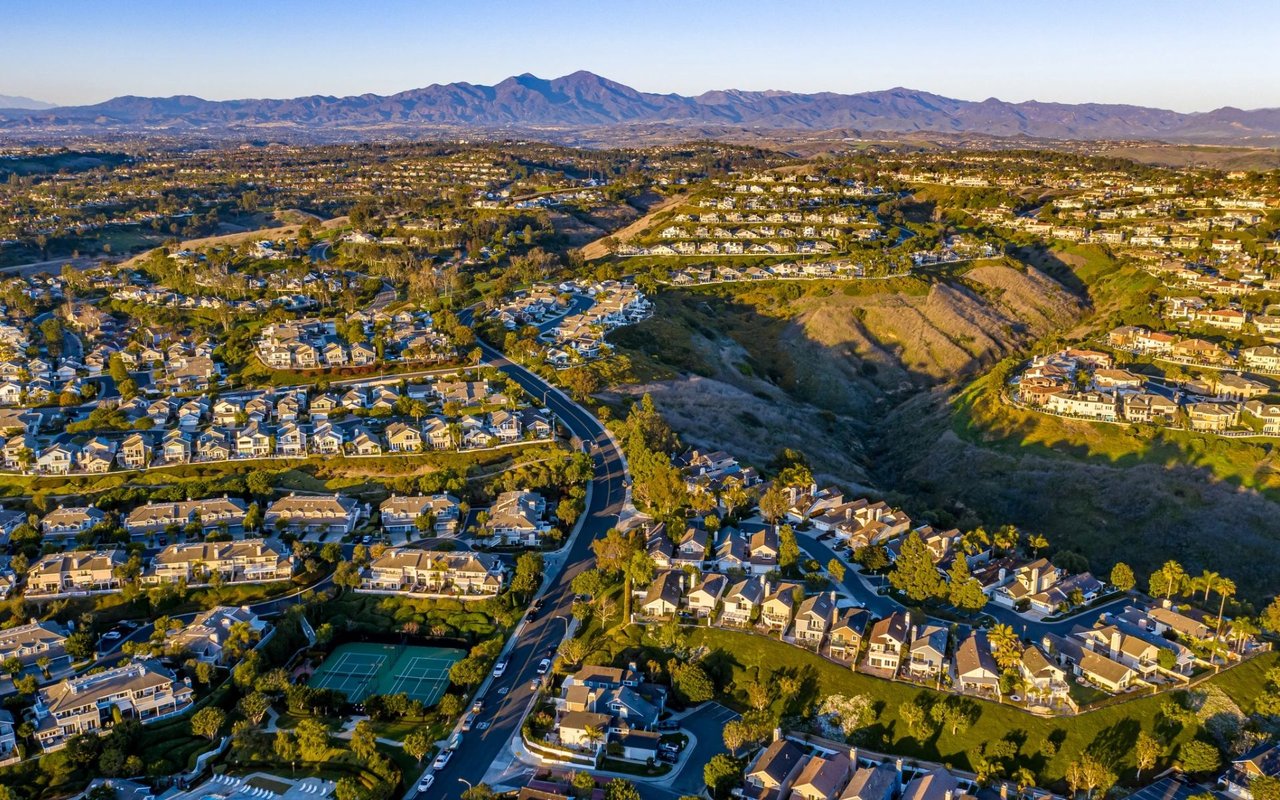
Offers a unique blend of natural beauty, comfortable living, and a strong sense of community.
Whether you're buying, selling, or just exploring your options, Tony and Shelley bring decades of experience and local expertise to every conversation.
Tony Salay Real Estate Group
32356 S Coast Hwy Laguna Beach, CA 92651 Tony and Shelley Salay | CA DRE# 1964400 - 00828762 Pacific Sotheby’s International Realty | CA DRE# 01767484