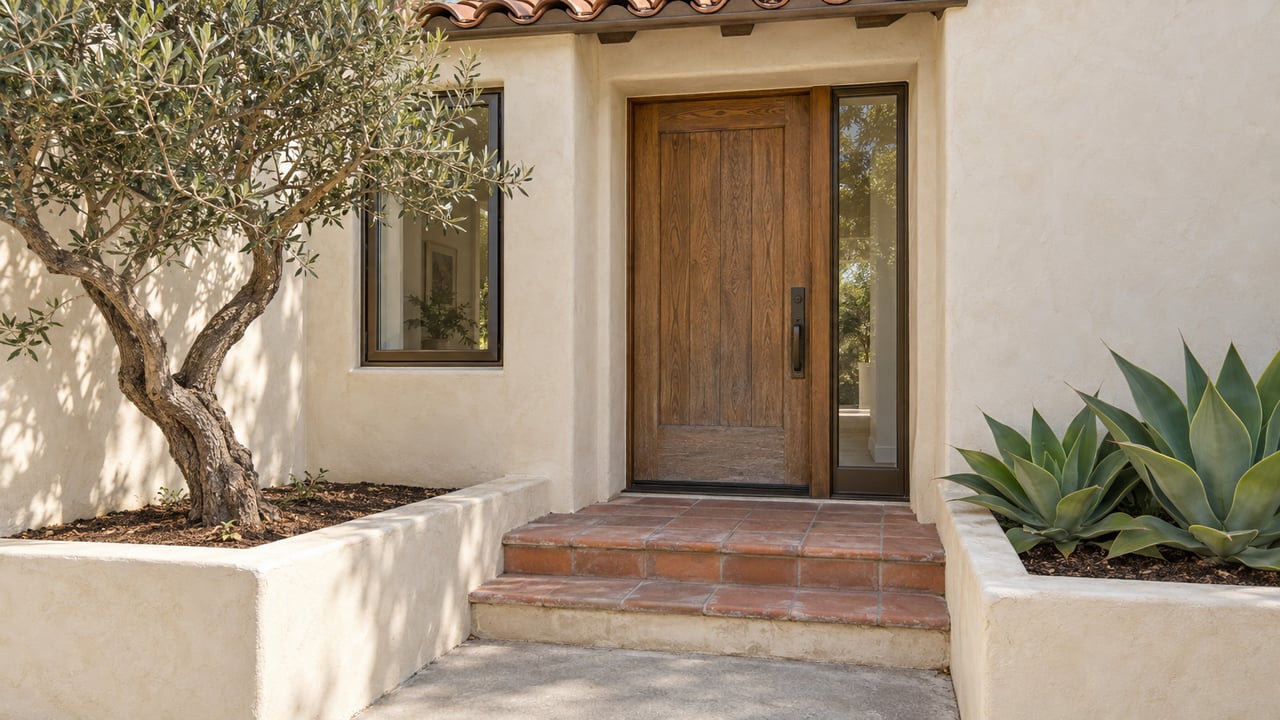
Surfing Heritage and Culture Center in Laguna Beach Returns Home
October 1, 2026
October 1, 2026
In the late 1990s, the entire operation fit inside a second-floor apartment in downtown Laguna Beach, with founder Dick Metz and curator Barry Haun sharing a walk-in closet as their office. That was the Surfing Heritage and Culture Center in its first form: a collection with more ambition than square footage, run out of a room barely big enough for a filing cabinet.
On September 18, 2026, the same organization opened the doors to a 14,000-square-foot museum at 239 Broadway, three blocks from that original apartment and a couple hundred yards from the sand at Main Beach. Founder Dick Metz, now 96, led the ribbon-cutting himself, followed by a traditional Hawaiian blessing. Two days later, the museum's opening gala turned the new gallery into a fundraiser with a live set from surfer and musician Donavon Frankenreiter. The grand opening weekend is over now, but what it left behind is a permanent, free, walk-in museum sitting in the middle of downtown, and a story about how it got there that says something about Laguna itself.
SHACC was founded in 1999 by Dick Metz and Spencer Croul, working out of that Laguna Beach apartment. The collection grew fast enough that it needed real storage, so it moved to a warehouse in Costa Mesa, an industrial space suited to holding boards and archives but not to showing them to anyone. By 2005 it had settled into a building in San Clemente, where it stayed for more than two decades, building what is now one of the most complete surfing collections anywhere, but doing it from a location that Executive Director Jeff Alter has described as out in an industrial area, away from foot traffic.
The move back to Laguna closes a loop that runs through one person's biography as much as the organization's. Dick Metz grew up in Laguna Beach and opened SHACC's original headquarters there in the late 1990s, before the collection outgrew the town it started in. Explaining the return, Metz said their new home is "right where everything started in California, right across the street." For a museum that spent a quarter century being useful but hard to stumble across, landing three blocks from Main Beach changes what kind of institution it can be.
The address matters beyond the walk from the water. 239 Broadway is a building that dates to 1941, originally built as a Sprouse Reitz five-and-dime store, the kind of shop that used to anchor small-town main streets before mall retail took over. SHACC has said it intends to preserve the building's architectural bones, including the exposed truss ceiling and brick walls, rather than gut the space into something generic. That decision keeps a piece of downtown Laguna's retail history physically present inside a museum about a different piece of the town's history.
It also puts the museum in a retail area with regular pedestrian traffic, a deliberate contrast to the San Clemente building's industrial setting. A collection built for public storytelling finally has a location built for the public to actually walk in.
There is a reason Laguna Beach specifically was the destination, and it predates the museum by a century. Laguna became one of California's earliest surfing hubs in the 1920s, largely because of its proximity to Duke Kahanamoku's favorite wave at Corona del Mar. Kahanamoku, already a three-time Olympic gold medalist and working in Hollywood at the time, spent stretches of that decade staying in Laguna. The town's connection to surf culture did not start with a museum. The museum is arriving into a place that was already part of the sport's early story on this coast.
The scale of the collection is easy to undersell by calling it a surf museum. SHACC's holdings run to more than 500,000 objects, images, and pieces of ephemera, anchored by a collection of more than 800 surfboards, along with photographs, films, and documents spanning the sport's history. Moving that volume of material into a new gallery is not a matter of hanging a few boards on a wall. Jeff Alter has called the reinstallation a major undertaking, one that means going through every archive the museum holds to curate a new space with fresh energy while still honoring the collection's history.
Some of what's inside traces stories that never got much attention outside surf circles. The museum's exhibits include work from Ron Stoner, a surf photographer who shot six consecutive Surfer magazine covers between 1967 and 1968 before vanishing under circumstances that still aren't fully explained more than fifty years later. That kind of material, the specific and sometimes strange history of the sport rather than a highlight reel, is what a dedicated archive can hold onto that a general-interest exhibit space usually can't.
The practical details are the part that makes this a fixture rather than a one-weekend event:
None of that requires planning around a festival calendar or buying tickets in advance. It's the kind of stop that fits into an afternoon that was already headed toward Main Beach, the way a five-and-dime store once did for an earlier generation of the same three blocks.
The gala tent and the ribbon-cutting crowd are gone now. What's left is a building that spent 27 years finding its way back to the town where it started, sitting three blocks from the apartment where the whole thing began in a shared closet.
If you're curious about what else has changed in downtown Laguna lately, or you're thinking about what a piece of this town's history means for a home nearby, Tony Salay Real Estate Group spends enough time on these streets to have opinions about both.
Stay up to date on the latest real estate trends.
Whether you're buying, selling, or just exploring your options, Tony and Shelley bring decades of experience and local expertise to every conversation.
Tony Salay Real Estate Group
32356 S Coast Hwy Laguna Beach, CA 92651 Tony and Shelley Salay | CA DRE# 1964400 - 00828762 Pacific Sotheby’s International Realty | CA DRE# 01767484