Laguna Niguel's Botanical Preserve Is Busiest When Its Flowers Are Resting
September 10, 2026
September 10, 2026
When is the right time to walk the garden above Crown Valley Community Park? Most people would guess spring, when the hillside is supposedly in bloom and the light is soft enough for photos. The preserve's own calendar says otherwise. Its plants are built to shut down for exactly the stretch of months when its volunteer programming ramps up hardest, and that mismatch is the most useful thing a longtime resident can know about the place.
The Niguel Botanical Preserve sits on 18 acres tucked behind the amphitheater at Crown Valley Community Park, at 29751 Crown Valley Parkway. If you've lived in Laguna Niguel long enough to have watched a concert or a Fourth of July event on that amphitheater lawn, you've stood a few hundred feet from an entrance most people never notice.
The preserve doesn't grow a generic California garden. It's organized around five Mediterranean climate zones from around the world: California and northwestern Baja California, Central Chile, southern and southwestern Australia, the West Cape of South Africa, and the countries that actually border the Mediterranean Sea. All five share the same basic weather pattern coastal Orange County does, hot dry summers and mild wet winters, which is why the plants thrive here without much irrigation.
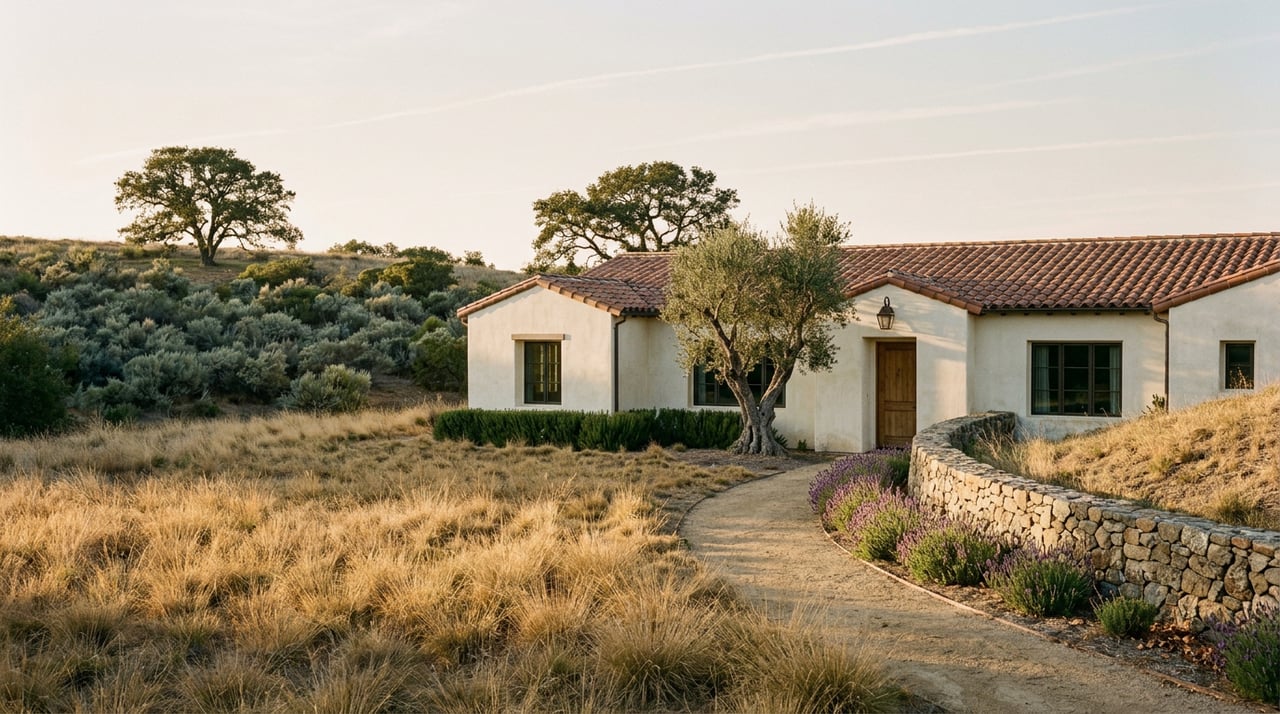
That same shared trait means the garden runs on an inverted calendar from what most visitors expect. Peak bloom lines up with the winter rains, December through May. From June through November, according to the preserve's own posted guidance, many of the plants go dormant on purpose, protecting themselves through the dry months rather than fighting them. The hillside you'd walk through right now, in early September, is doing exactly what it's designed to do: conserving water and waiting.
That design choice happens to line up with what the Moulton Niguel Water District, one of the preserve's listed community partners, has spent years asking residents to consider for their own yards. The garden isn't just pretty. It's a working demonstration of what a drought-tolerant hillside looks like at rest, not just at its showiest.
Here's the part that actually changes how you'd plan a visit. The preserve's volunteer and events calendar doesn't slow down during dormancy. It picks up.
Coming up over the next ten weeks:
That spring push is Earth Day, held every April, which draws 150 to 200 volunteers in a single day and functions as the preserve's largest annual event. Compare that against a quiet Tuesday in October and the pattern is clear. Spring is when the garden looks its best and draws its biggest crowd. Fall brings maintenance and education with smaller groups doing the work that keeps the spring bloom possible in the first place.
If you've only ever thought of this as a place to see wildflowers, the fall calendar offers another way to experience the preserve, with volunteer events and guided walks.
The trails themselves carry a Scouting history that shapes what you'll pass. There's a Girl Scout Amphitheatre used for local award ceremonies, and a Boy Scout Trail to Eagle that contains roughly two dozen completed Eagle Scout projects built into the landscape over the years, benches, signage, small structures, the kind of detail that only shows up after decades of youth groups treating a place as their own.
Further along, the Garden Labyrinth isn't a maze meant to confuse you. It's a walking path meant for slowing down, which is presumably why it anchors the September 19 Forest Bathing event. Near the top, the South African Overlook gives what most visitors who've walked the whole property consider the best view in the garden, looking out toward Mission Viejo and Saddleback Mountain. Closer to the entrance, the Children's Garden is built for families, an interactive stop rather than a strictly ornamental one.
None of this requires a ticket, a reservation, or a season pass. The preserve is free, every day, sunrise to sunset, all year.
The preserve isn't a dead end. A paved trail at the bottom connects directly into Laguna Niguel Regional Park, the 236-acre OC Parks property with its own lake, fishing areas, and picnic grounds. That means a resident can park once behind the Community Center, walk the preserve's hillside loop, drop down the connector trail, and end up at the lake without ever getting back in a car. It's the kind of walkable stretch that a lot of longtime residents drive past on Crown Valley Parkway without realizing the two parks are physically linked.
A few practical notes for anyone planning the walk this month rather than waiting for spring:
The easy assumption is that a botanical garden peaks when the flowers do. This one is more honest about its own rhythm than that. It blooms when the rain tells it to, and it puts its people to work when the rain stops. For a resident who has already seen the spring version, September through November offers another season to explore, and it's sitting less than a mile from wherever you already are in town.
If you're weighing what a stretch of Laguna Niguel like this adds to daily life here, whether you're settling in for the long term or thinking through what comes next for your own property, Tony Salay Real Estate Group has spent years working this coastline block by block. Contact us when you're ready to talk through what your corner of South Orange County is actually worth right now.
Stay up to date on the latest real estate trends.
Whether you're buying, selling, or just exploring your options, Tony and Shelley bring decades of experience and local expertise to every conversation.
Tony Salay Real Estate Group
32356 S Coast Hwy Laguna Beach, CA 92651 Tony and Shelley Salay | CA DRE# 1964400 - 00828762 Pacific Sotheby’s International Realty | CA DRE# 01767484