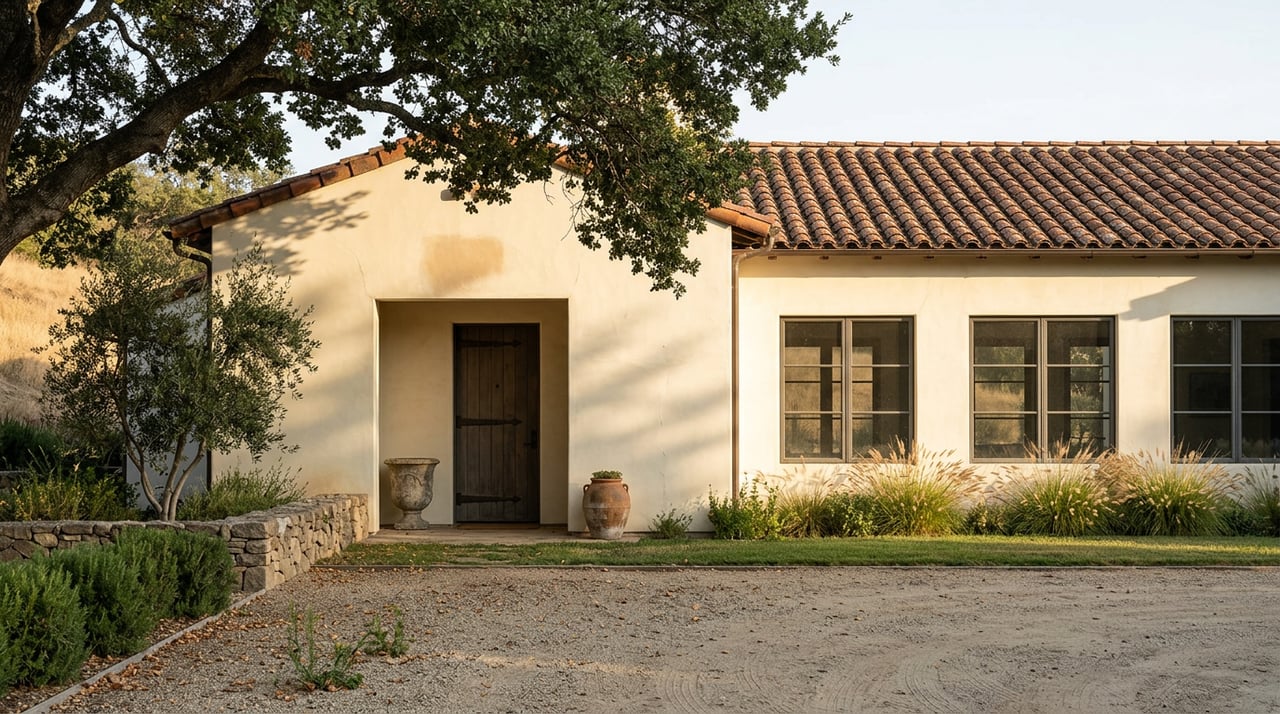
San Juan Capistrano's Horse Country Isn't One Market. It's Three.
August 13, 2026
August 13, 2026
A buyer closes on a parcel in San Juan Capistrano, sets a move-in date, and starts sketching where the barn will go. Then the contractor mentions the dig. Anywhere in this city, once excavation goes deeper than 18 inches, an archaeological monitor typically needs to be on site watching the work, a rule tied to the mission's founding in the 18th century and enforced regardless of whether the lot is zoned for horses, a pool, or an addition. It has nothing to do with square footage or school ratings. It surprises almost every buyer who assumes horse property means simple, unregulated ground.
That detail never shows up in a portal search result, and neither does something more fundamental: San Juan Capistrano's headline median price describes a city that, in real estate terms, doesn't behave as one place. It behaves as at least three, and the gap between them is the actual story for anyone comparing this city against the rest of South Orange County.
In 2025, sales across San Juan Capistrano ranged from $254,000 to $6.7 million, the widest spread of any of the five South Orange County cities, according to Orange County REALTORS data. That range is not noise. It reflects village condos, historic adobes near the Mission, master-planned golf communities, canyon-view custom homes, and multi-acre equestrian estates, all inside 14 square miles.
The dispersion holds up at the street level, too. In March 2026, detached homes across the city's core ZIP code closed at a median of $1.805 million across 17 sales, but the individual sales that built that median ran from $880,000 and $932,000 at the entry end up to $1.465 million, $1.565 million, $2.09 million, $3.01 million, and $5.75 million at the top. A buyer anchoring expectations to the median has no idea which of those six or seven very different houses they're actually competing for.
The pattern repeats in speed. Citywide, homes were going pending in around 16 days as of late May 2026. That number describes a market moving briskly. It does not describe every property in it.
| Segment | What the March–May 2026 data shows |
|---|---|
| Citywide detached (all price points) | Pending in a median of 16 days; detached median sale $1.805M across 17 March sales |
| Marbella (gated community, one tier down from the top) | Median sale $1.555M in March 2026, 41 days on market, sold at 91.9% of list |
| Estate and equestrian tier (list-side tracking) | Median 82 days on market, up from 54 days a year earlier |
Three rows, same city, three different stories. The citywide number is fast because it's dominated by tract and mid-tier detached sales. The equestrian and estate tier is cooling in the same window, which matters enormously if you're deciding how aggressively to price a listing or how much room you have to negotiate an offer.
Hunt Club sits at the top of that spread. Developed starting in 1983, it's a guard-gated community with dedicated roaming patrol and direct access to equestrian trails, sitting adjacent to the private Marbella Country Club and within reach of St. Margaret's and JSerra Catholic High School. Homes there range from 3,443 to 11,500 square feet, and sales run well above $5 million. That price is not paying for square footage alone. It's paying for trail access you can ride out your back gate onto, patrol coverage most South OC neighborhoods don't have, and proximity to a specific set of private schools and a specific country club that don't exist anywhere else in the city.
Marbella, the community that shares its name with that country club, sits one tier below. Its March 2026 numbers, a 41-day median and a 91.9% sale-to-list ratio, describe a market with real negotiating room. A seller in that tier who prices to a Hunt Club comparable is inviting a long escrow. A buyer who writes a full-price offer there is very likely leaving money on the table.
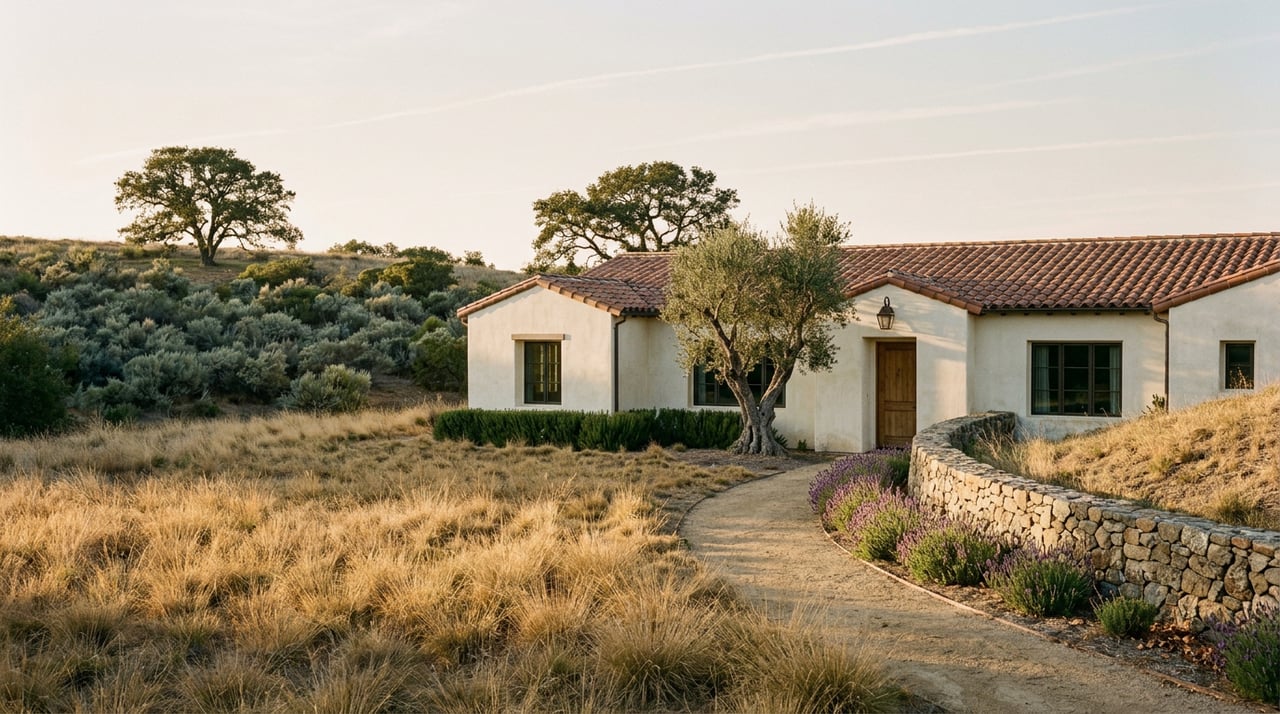
Below both of those sit the non-gated equestrian-zoned parcels scattered through north San Juan Capistrano and along the Ortega Highway corridor, closer to the 40-acre Rancho Mission Viejo Riding Park than to any country club. Lot size, setbacks, facility requirements, water rights, and trail access all vary considerably from parcel to parcel out here. Two listings a half mile apart, both marketed as "equestrian zoned," can carry meaningfully different rights to build a barn or run water to a paddock. Treating equestrian zoning as a single, uniform label is one of the more common mistakes buyers make before they've walked the property with someone who knows which pocket they're actually standing in.
The archaeological review is only the first surprise. If the parcel connects to public water or sewer mains, it needs a separate encroachment permit from the Santa Margarita Water District, processed before the city will issue a building permit at all, a step that lives outside city hall and outside most buyers' checklists. The city's Building Division page lays out that sequencing directly, and it's worth reading before you assume a barn or arena project moves on the same timeline as the excavation permit alone.
Properties near the historic core carry their own layer. The Los Rios Historic District, often described locally as California's oldest continuously occupied neighborhood, sits inside a Historic Town Center overlay that adds review layers the rest of the city doesn't carry, which stretches the permitting calendar for exterior work. If you're comparing a renovation project inside that overlay against one on a standard equestrian lot toward the hills, budget for a slower timeline on the historic side regardless of how straightforward the work looks on paper. The city's own Los Rios Specific Plan lays out the governing rules for that district in full.
Hillside and canyon parcels have a rule of their own. Under the city's zoning code, no accessory dwelling unit or associated grading is permitted within 200 feet of a General Plan designated ridgeline, a detail spelled out in the municipal zoning ordinance. If part of the appeal of a canyon-view equestrian property is the idea of adding a guest unit or expanded barn later, this is the line to check before, not after, you close.
San Juan Capistrano draws a specific kind of relocation buyer, often from San Francisco, Boston, or Seattle, according to recent migration data, people trading density for land and a slower pace within two miles of the Pacific. For that buyer, the practical lesson isn't the median at all. It's that the number you saw on a search result describes a blend of markets moving at different speeds, and the tier you're actually shopping in behaves according to its own rules.
Before writing an offer on equestrian-zoned land here, a few questions are worth answering directly:
Sellers benefit from the same tier discipline in reverse. A Marbella listing priced against Hunt Club comparables is asking buyers to pay for a gate, a patrol, and a trail connection the property doesn't have. A property at the entry end of the range, by contrast, is moving inside that fast 16-day citywide window and rarely needs the kind of pricing cushion the top tier now requires.
Are Marbella and Hunt Club the same community? No. They're adjoining but separate. Hunt Club sits at the top of the price tier with guard-gated, patrolled access and direct trail connections. Marbella, home to the private country club that shares its name, sits one tier below, and its March 2026 numbers reflect a softer, more negotiable market than Hunt Club's.
Does every equestrian-zoned lot allow a barn or riding arena? Not automatically. Setbacks, lot size minimums, and facility requirements vary by parcel, which is exactly why two properties marketed as equestrian zoned can carry different real building rights. Confirm the specifics for a given address before assuming what's possible.
If homes are pending in 16 days citywide, does that mean the top tier is moving just as fast? No. That citywide figure is weighted toward entry and mid-tier detached sales. The estate and equestrian tier was running a median of 82 days in the same window, up from 54 days the year before, a meaningfully different pace hiding inside the same headline number.
Equestrian real estate in San Juan Capistrano rewards buyers and sellers who look past the citywide number and price to the tier they're actually in. If you're weighing a gated estate against a horse property along the Ortega corridor, or trying to time a Marbella listing correctly against what Hunt Club comparables suggest, Tony Salay Real Estate Group has been through this exact due diligence with clients across South Orange County. Contact us when you're ready to talk through which market you're really shopping in.
Stay up to date on the latest real estate trends.
Whether you're buying, selling, or just exploring your options, Tony and Shelley bring decades of experience and local expertise to every conversation.
Tony Salay Real Estate Group
32356 S Coast Hwy Laguna Beach, CA 92651 Tony and Shelley Salay | CA DRE# 1964400 - 00828762 Pacific Sotheby’s International Realty | CA DRE# 01767484